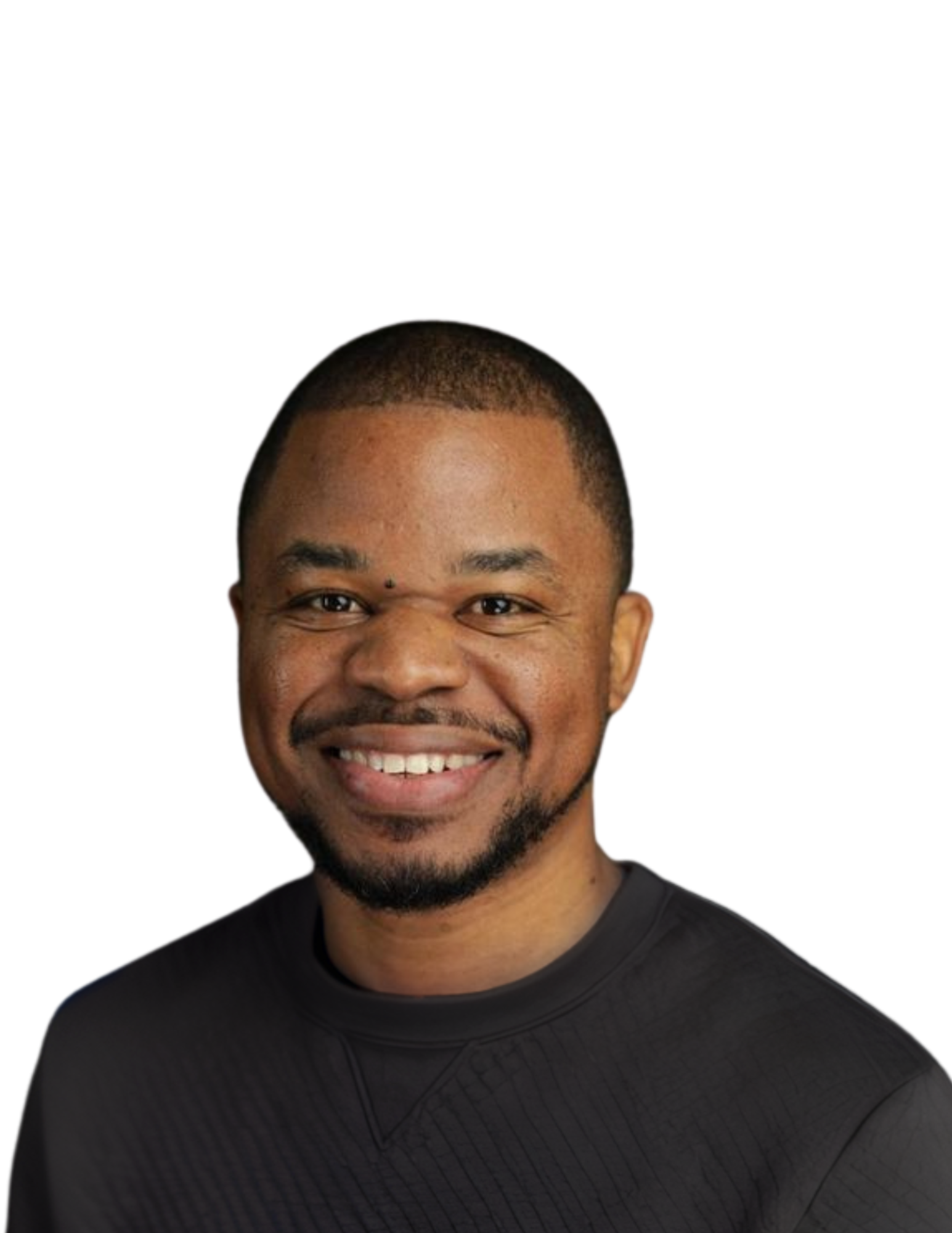
He didn't build a program.
He answered a question.
The question was simple: why do so many kids grow up knowing they're loved — by their family, their church, their community — and still arrive at 18 with no real sense of what they're for?
Leslie James had seen it too many times. Kids who were bright, caring, creative — kids who had been told they were special their whole lives — standing at the edge of adulthood without a map. Not because they lacked ability. Because no one had ever given them a structured, guided pathway from "I think I'm good at something" to "I built something real with it."
"Discipleship taught them who they are. I wanted to build something that showed them what to do with it."
Dream Chaser Kids started with that conviction. Not a curriculum. Not a curriculum first, anyway. A conviction. That every child is given something by God. That those gifts aren't decorations — they're directions. And that the job of every adult who loves young people is to help them name those gifts, develop them, and aim them at a real need in the world.
The name comes from Acts 13:36 — David, who served God's purpose in his own generation. Not the generation before him. Not the generation after. His own. That's the call Leslie built Dream Chaser around: not preparing kids for some vague future someday, but equipping them to serve their neighbors, their communities, and their world now.
What he built was a model that works without him in the room. The Comprehensive Program Framework is designed so a youth pastor, a teacher, or a community org staff member can run a complete Dream Chaser program — from TalentExplorer to final StoryBuilder page — without Leslie traveling anywhere. That's not a limitation. It's the architecture. A mission that scales doesn't travel on the founder's calendar. It travels in an Integrated Strategic System that any leader who loves kids can pick up and use.
